Boiler Piping Checklist for Melbourne Facility Managers
This checklist explains how to inspect boiler piping in Melbourne plants and when to call a technician. This type of piping carries steam, condensate, feed water and fuel around your plant room. When it fails, the whole boiler can be affected, so regular checks matter.
The steps below suit facility managers and operators. They are general guidance, so always follow your site procedures and the advice of a qualified technician.
Why Piping Needs Regular Checks
Pipes work under heat and pressure every day. Over time, that stress can wear joints, supports and insulation.
Small faults are easy to miss. A weeping joint or a loose support may look minor, but it can grow into a leak or a shutdown. Regular checks help you find problems early.
Good records make the job easier. Note the date, the area checked and anything unusual, and attach photos where you can. Over time, these notes show patterns, such as a joint that keeps weeping or a hanger that keeps working loose.
Many manufacturing sites in Campbellfield and across northern Melbourne cannot afford long outages. A simple checklist helps these sites plan repairs before a fault stops production. Planned shutdowns are often the best time to repair piping, because crews can work without disrupting production.
Your Boiler Piping Checklist
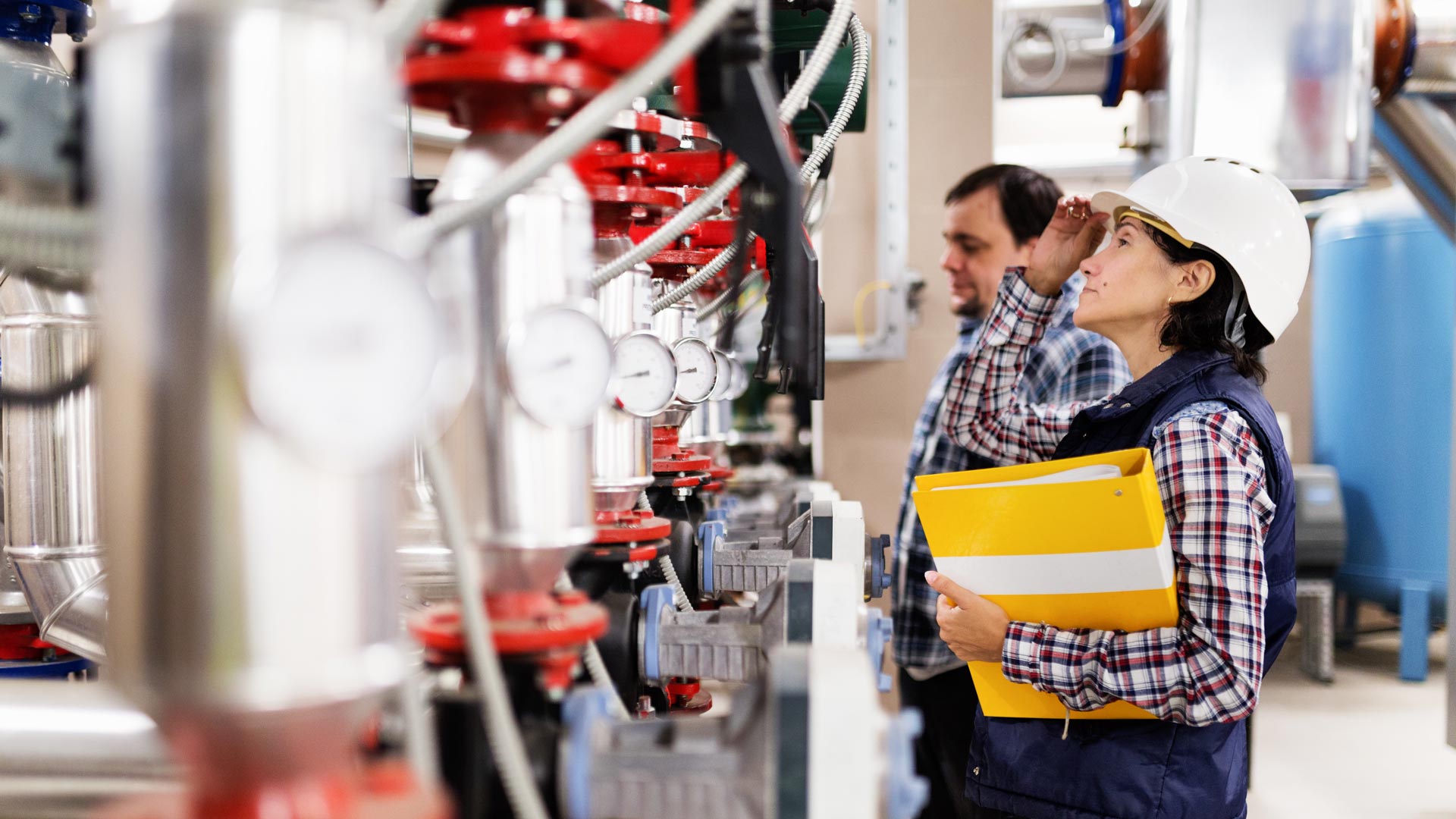
Work through each area below with the plant cool and isolated, following your site's safety rules. Never open or adjust pressurised piping yourself. Take your time and use a torch for tight spaces. Check the full run of each line, including parts above head height and behind other plants.
Valves and Fittings
Valves control flow, so a stuck or leaking valve can cause trouble fast. Check each one for:
▸ Leaks around the stem or body.
▸ Handles that are stiff, loose or damaged.
▸ Missing labels or unclear flow direction.
Supports and Hangers
Supports holding piping in place and taking its weight. Look for:
▸ Hangers that are loose, bent or corroded.
▸ Pipes that sag or rub against other plants.
▸ Signs of vibration or movement.
Lagging and Insulation
Lagging keeps heat in and protects people from hot surfaces. Check for:
▸ Damaged, wet or missing insulation.
▸ Bare patches around bends and valves.
▸ Stains that may point to a hidden leak in the boiler piping.
Joints, Flanges and Welds
Joints are common places for leaks to start. Look closely for:
▸ Drips, wet marks or white mineral build-up.
▸ Rust or pitting around flanges and bolts.
▸ Cracks or visible damage near welds.
Noise, Pressure and Drainage
Piping often gives warning signs through sound and performance. Note any:
▸ Banging or hammering when the plant starts up.
▸ Pressure that drops or swings without a clear cause.
▸ Condensate that does not drain as it should.
How Often Should You Check Boiler Piping?
Most sites check their piping at several levels. Your own procedures and a qualified inspector should set the exact timing. A typical pattern looks like this:
1. Operators do a quick visual walk-round during each shift.
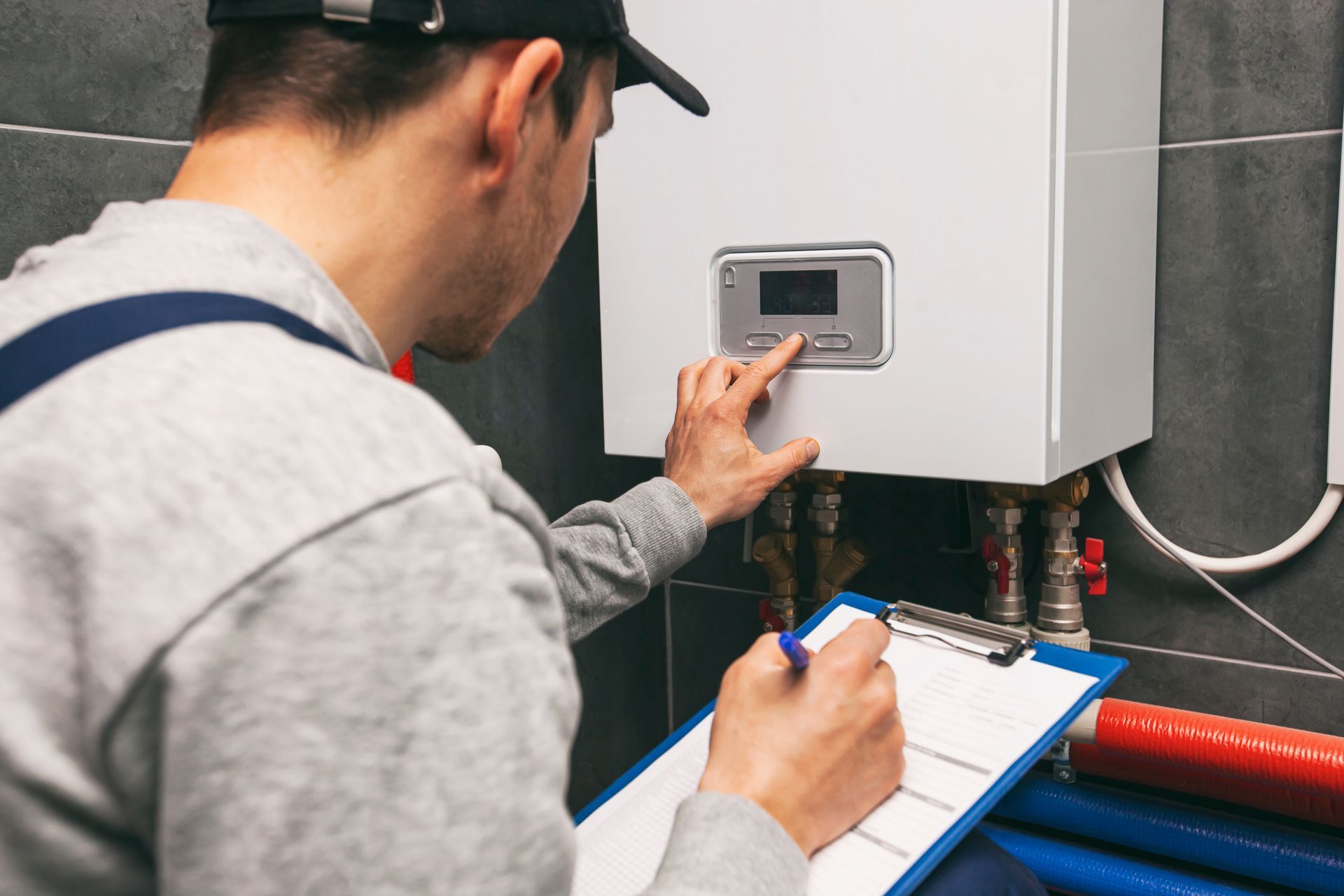
2. A supervisor completes the full checklist on a regular schedule, such as monthly.
3. A qualified technician inspects the plant at least once a year.
Annual inspections also help with WorkSafe and insurance requirements. Keep written records of every cheque, because inspectors and insurers may ask to see them.
When to Call a Technician
Call a technician as soon as you notice a leak, corrosion, damaged supports or unusual noise. Do not wait for the next scheduled check. Some faults need a shutdown and a safe repair. Keep people away from any area with visible steam, wet lagging or hissing sounds until the plant is isolated and made safe.
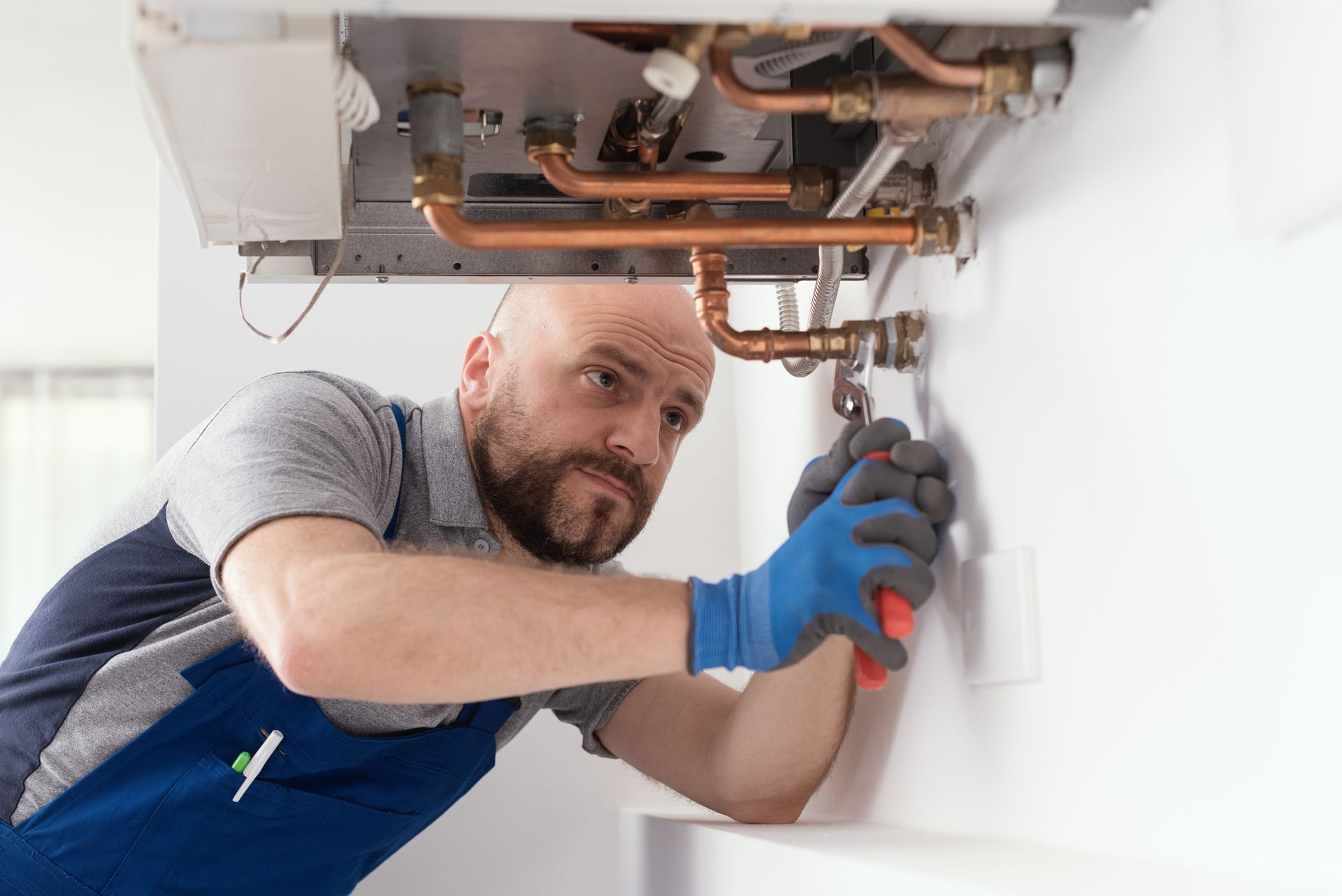
Piping work on a pressure plant should be done by qualified people. A technician can assess the damage, repair or replace sections and confirm the plant is safe to return to service.
What Is Boiler Piping?
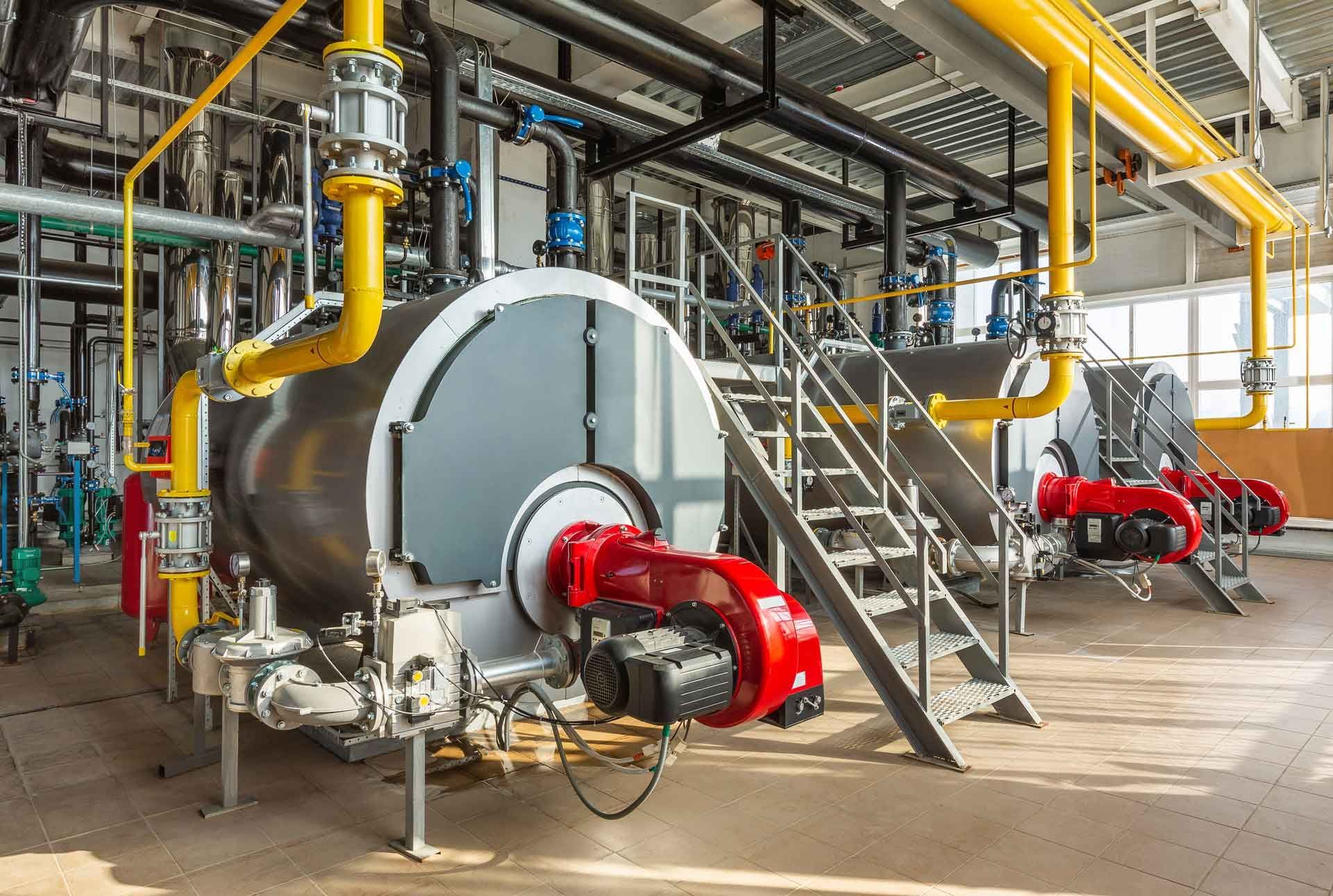
It is the network of pipes that moves steam, water, condensate and fuel through a boiler system. It links the boiler to the rest of your plant. Together with valves, fittings and supports, it forms part of the complete boiler system.
Can I Check the Pipework Myself?
Operators can do visual checks while the plant is safe after following site lockout and isolation procedures. Repairs, adjustments and pressure testing should be left to qualified technicians.
Does Steam Piping Need a Formal Inspection?
Often, yes. Piping is usually part of an annual boiler inspection. Ask your inspector what applies to your plant and standards such as AS/NZS 3788.
Book a Pipework Check Today
Regular checks protect your plant, your people and your production schedule. Maxi Boiler Services Pty Ltd, based in Campbellfield, is serving Melbourne with boiler piping support, inspections, repairs and 24/7 breakdown assistance.
To talk through your plant, call
03 9357 9888 or
contact the team for a no-obligation quote. You can also see the full list of
boiler services on offer. To learn more about the team, find
Maxi Boiler Services Pty Ltd on Google.